Economic Model of the Sikhs
Economic Model of the Sikhs is Libertarian Capitalism.
12-Jun-2023
Sikhs independently worked out their political and economic model.
Sikhs have History and Culture of core Libertarian principles of non-aggression and non-coercion.
Deep, cultural, and visceral respect for property rights.
Sikhs do not believe in any form of collectivism such as Socialism, Communism, or Marxism. They do not believe in Welfare State.
There is private, non-governmental, community managed and funded Social Security in the Gurdwaras. They key here is no government involvement and not funded via taxes.
History of small government.
No history of empire building.
Sikhs have History and Culture of core Libertarian principles of non-aggression and non-coercion.
Deep, cultural, and visceral respect for property rights.
Sikhs do not believe in any form of collectivism such as Socialism, Communism, or Marxism. They do not believe in Welfare State.
There is private, non-governmental, community managed and funded Social Security in the Gurdwaras. They key here is no government involvement and not funded via taxes.
History of small government.
No history of empire building.
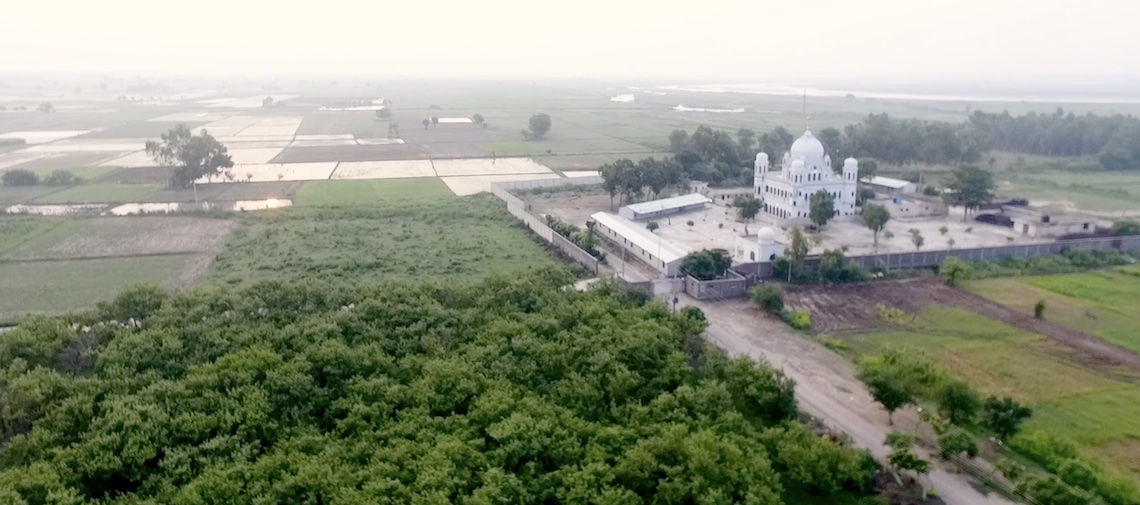
History
The legendary Sikh General and Administrator Banda Singh Bahadur (1670-1716) established Sikh political and economic model in the first Sikh Kingdom and Khalsa Raj(rule). It was a short lived rule from 1710-15.Subsequent Sikh Kingdom (1799-49) of Maharaja Ranjit Singh was based on the political and economic model from Banda Singh Bahadur before.
Although the political and economic model of the Sikhs aligns with Libertarian Capitalism and Austrian Economics, it predates it. Sikhs independently worked out their own political and economic model for their prosperity and freedom from tyranny well before Libertarian Capitalism.
Political and Economic Model of the Sikhs
The Political and Economic Model of the Sikhs was defined by Guru Nanak (1469-1539) - the founder of Sikh religion.He summarized his philosophy as:
- Honest Work
- Non-government, voluntary, social safety net
- Acquire knowledge yourself rather than rely on manipulative elite
1.) Non-aggression, non-coercion, individual freedom, personal sovereignty
Sikhs have been and continue to be persecuted. This has led to a healthy disrespect for role of government.The two Sikh Kingdoms were known for not repressing people or confiscating their property irrespective of their beliefs and religion.
The two Sikh Kingdoms were known for low crime and minimal fines. Serious crime and imprisonment were unheard of.
Sikhs does not have hierarchical structure as is common in caste system in India. There have never been bottom-feeding and mob-controlling apparatchiks or commissars like creatures in Sikh kingdoms and will not be welcome today either.
2.) Respect for property rights
Just like Libertarian Capitalism, Sikhs also have deep, cultural, visceral respect for property rights. Sikhs have a deep affinity with their land and property. This affinity comes from Guru Nanak, who farmed in his last days. This makes Sikhs proud to be farmers and connect with their land.The legendary Sikh General and Administrator Banda Singh Bahadur (1670-1716) put an end to the feudal agriculture practices at that time, and granted Sikhs ownership of their land. This is recognized as a major milestone in history of the Sikhs. It lay the ground for inter-generational wealth via property.
Sikhs have fiercely defended their lands, and respected other people's property since then.
3.) Free Market Economy and Entrepreneurship
Sikh do not believe in social egalitarian systems like Socialism, Communism, or Marxism or Welfare State.Sikhs dislike arbitrary restrictions which are usually disguised protectionism.
An anecdote in Sikh history tells of a time when Sikhs could not get loans as they were discriminated by the money lenders on orders from the government. The Sikhs went to their Guru with this predicament. The Guru advised them to start their own bank.
Sikhs are quick to 'start their own' thing and take the initiative. This injects them with vitality of Free Market Economy and Entrepreneurship.
It is well known that there are no Sikhs beggars and freeloaders.
4.) Low taxes
Sikh Economic model is based on low taxes of 10%. This is enough to sustain basic functions of the State such as army and justice system of law makers, courts, and law enforcement in alignment with Libertarian principles.In addition to this 10%, Sikhs are encouraged to voluntarily contribute another 10% (Dasvand) to good causes or to the Gurdwara - the social-economic-political and religious center of the Sikhs - to support their community managed social safety net.
5.) Small government
Sikhs don't expect or need much from the Government. They have their own community managed Gurdwara - the social-economic-political and religious center. They don't need welfare state. They also value Individual freedom and personal sovereignty. They don't need Nanny State either.Sikhs have no need for big government, nanny state, and welfare state.
6.) No welfare state
Sikhs have their own non-governmental social safety net which revolves around the community managed Gurdwara - the social-economic-political and religious center of the Sikhs.It is an efficient system, and it has been working for more than 500 years.
The key point here is that Sikhs have their own community managed and funded institutions such as the Gurdwara, Dasvand (voluntary donation of 10%), and Kar Seva (community managed public-works projects). They don't need any government managed welfare state.
7.) No Empire building or chasing colonies or enslaving other people
The two Sikh Kingdoms (1710-15 and 1799-49) were fairly small Kingdoms compared to other Kingdoms before and after. This is because Sikhs established their Kingdom for their security and prosperity. They did not have gradiose ambilitions to conquer the world or loot or exploit or impose their philosophy on others.There is no historical or anecdotal evidence of Sikh armies scheming World domination, pan-Asia domination, or even regional domination. Nor is there any evidence of looting, keeping slaves or exploiting people after a war. All Sikhs ever want was/is to be left alone to live their life the way they want.
Sikh Kingdoms did conquer other lands but for a specific reason. Sikh kingdom expanded only up to Jamrud Fort near Khyber Pass (gateway to Afghanistan) and Bala Hisar Fort. Not an inch beyond. These two key strategic locations were used as staging grounds for invasions from the west. Control of these two strategic staging posts of invasions ensured Sikh's security from external threats.
Sikhs believe that empires built on conquering lands, loot, and exploitation don't lead to prosperity.
This trait of Sikhs aligns with Libertarian Capitalism: "national treasury is expanded when empires extract tributes from conquered states, but this does not redound to superior living standards for ordinary people. The wealth of the state is not a proxy for individual prosperity." and "countries with a history of exploiting others are poorer than their peers". - Source.
Summary
| # | Economic and Political Model of Sikhs | Libertarian Capitalism | |
|---|---|---|---|
| 1 | Non-aggression, non-coercion, individual freedom, personal sovereignty | ||
| 2 | Respect for property rights | ||
| 3 | Free Market Economy and entrepreneurship | ||
| 4 | Low taxes (10%) | ||
| 5 | Small government | ||
| 6 | No welfare state | ||
| 7 | No Empire building or chasing colonies or enslaving other people |
Partner with us
We are ready to partner with you to ensure your interests are met.We provide specialized and deep knowledge, advocacy, implementation partnership, and contacts for all activities related to Punjab.
About
RELATED ARTICLES
 Who are the Sikhs?
REFERENCES
WHAT IS AUSTRIAN ECONOMICS?
What Is the Mises Institute?
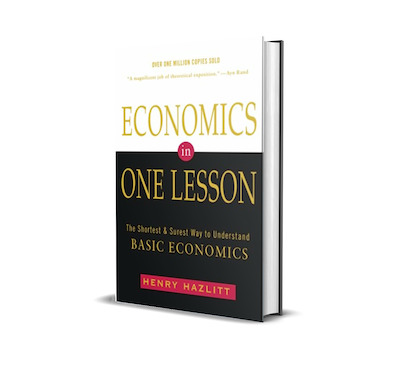
Economics in One Lesson
Respect for property rights in Sikh Kingdom
FURTHER READING